Sediment · natural wine club
Six strange bottles, four times a year, explained properly.
Sediment sends wine from producers making fewer than 30,000 bottles a year, with a card for each one telling you what is unusual about it and whether you should be worried. Usually you should not.
£108 a season · skip or cancel from the email
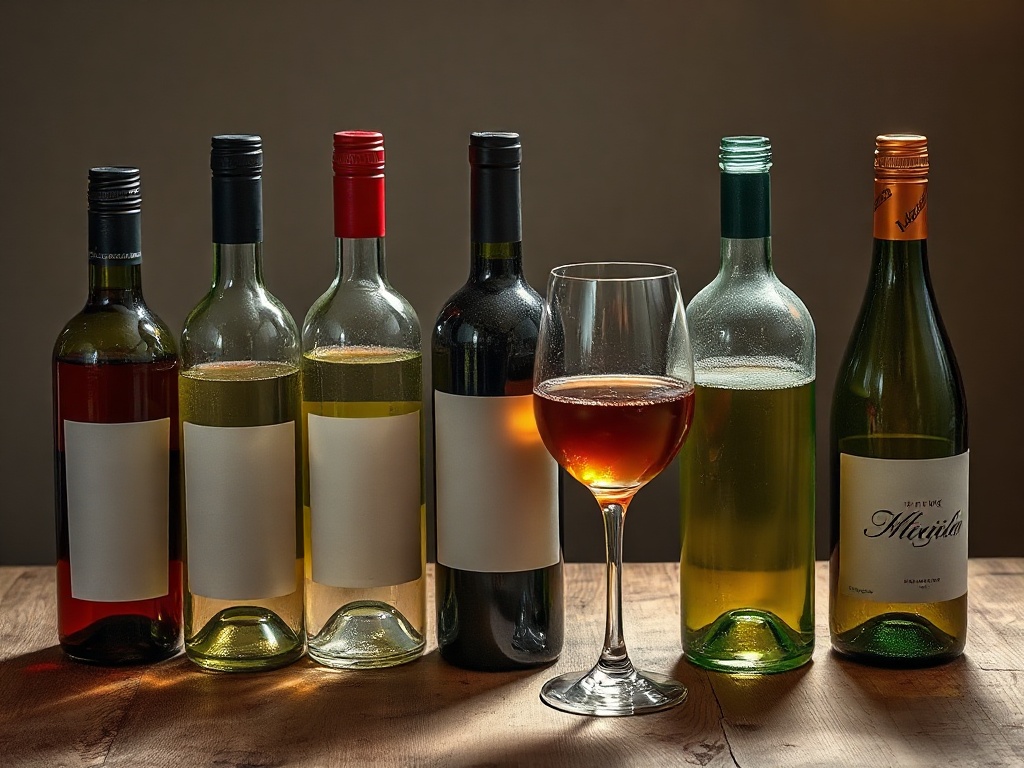
This season, in the order we would drink them
Bottle 01
3.2 ha
Chenin, Les Cailloux
Marie Fouquet · Loire
Cloudy as a January sky, and meant to be. Bruised apple, chalk, a squeeze of lemon at the end.
Bottle 02
5 ha
Gamay, Deux Frères
Paul & Luc Berthaud · Beaujolais
Drink it cold. Raspberry juice with a grip, and the only bottle here nobody has ever sent back.
Bottle 03
1.1 ha
Rkatsiteli, Qvevri
Nino Abashidze · Kakheti
Six months underground in a clay pot. Orange, grippy, dried apricot skin. Decant it if you can wait.
Bottle 04
2.4 ha
Trousseau, Ligne Grise
Domaine Vallet · Jura
Pale enough to look like a rosé and savoury enough to argue with. Smells of a cellar, in the good way.
Bottle 05
4 ha
Zibibbo sur lie
Cantina Rallo · Sicily
A prickle of fizz on the tongue. That is the wine still working, not a fault. Open it over a sink.
Bottle 06
1.8 ha
Pineau d'Aunis, Poivre
Hervé Colin · Loire
White pepper and cranberry, thin in the way good things are thin. The odd one we argue about most.
What it means, without the sermon
Low-intervention means farmed without systemic chemicals, fermented with what was already on the grapes, and bottled with little or no added sulphur. It does not mean it should taste like cider.
In the vineyard
No systemic chemicals. Weeds get a plough, not a spray.
In the cellar
Wild yeast only — whatever came in on the skins.
At bottling
Little or no added sulphur, and we print the number.
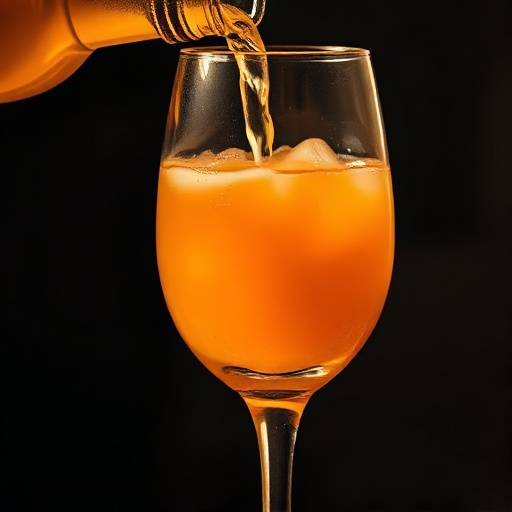
One card per bottle
Every bottle gets a card, and the card is the point.
The grower, the hectares, what the wine tastes like in plain words, what to eat with it, and one line on why we picked it over the forty others we tasted that week.
The grower
Who farms it, and whether they also drive the tractor.
The hectares
The real number. Most are under five.
Tastes like
Plain words. Never "gunflint", never "brooding".
Eat with
One dish you already cook on a Tuesday.
Why this one
Over the forty others we tasted that week.
Cloudy, funky, fizzy: what is a fault and what is not.
Cloudy is fine. A little fizz in a still wine is usually fine and will blow off. Nail varnish and wet cardboard are not fine, and if you get one we replace it and tell the producer.
Fine, actually
Cloudy
Unfiltered wine has bits. Stand it up for an hour if it bothers you.
A little fizz
In a still wine it is usually fine, and it will blow off in the glass.
Sediment
It is the name of the club. Pour the last inch slowly or do not pour it.
Not fine, tell us
Nail varnish
Volatile acidity gone too far. Not a style, a mistake.
Wet cardboard
Cork taint. Nothing to do with low intervention.
Our problem
We replace it, and we tell the producer which batch it came from.
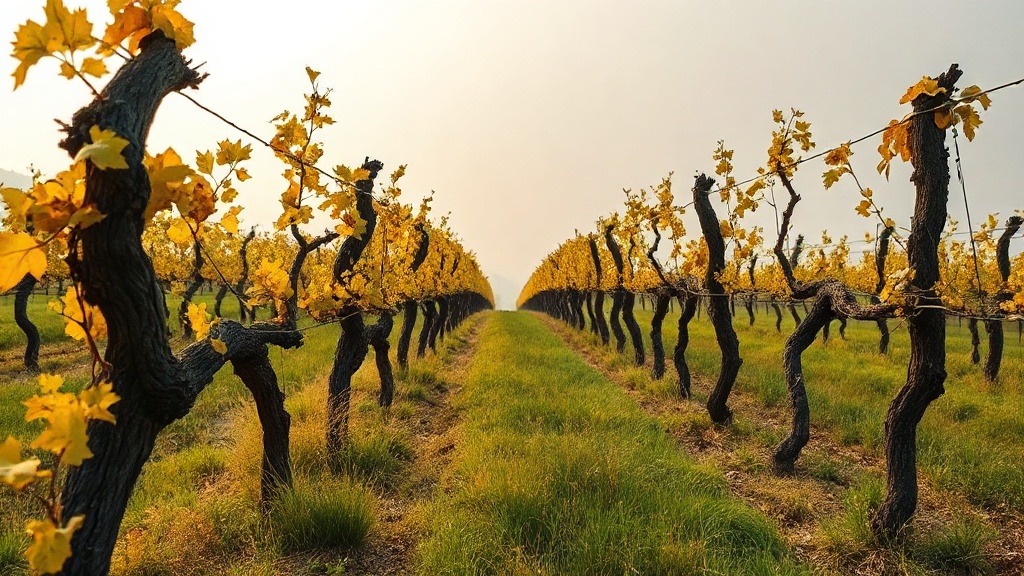
Producers, and how small they really are
A 3.2 hectare estate is one person and a lot of walking.
This season: a 3.2 hectare estate in the Loire, two brothers in Beaujolais on 5 hectares, a Georgian qvevri maker with 1.1 hectares, and three others of the same size.
3.2 hectares
Loire, France
One grower, one tractor, and a cellar under the house she was born in.
5 hectares
Beaujolais, France
Two brothers, granite slopes, and a shared press they book by the week.
1.1 hectares
Kakheti, Georgia
Buried qvevri, no electricity in the cellar, 900 bottles in a good year.
2–4 hectares each
Jura · Sicily · Loire
Three others of the same size, all of whom answer their own email.
Skip, swap or cancel from the email.
Skip a season, swap a bottle you did not get on with, or cancel entirely from a link in the email. No phone call, no offer, no three-step flow.
Skip
One link, one click, and autumn goes past you. Your place is held for the winter box.
Swap
Did not get on with the qvevri? Tell us and the next one is something else entirely.
Cancel
Same email, same link. It ends there, and we do not send a win-back offer.
Prices, and the shipping
£108
a season · six bottles · delivered
£108 a season for six bottles, delivered. That is £18 a bottle, and we publish what we paid for each one on the card.
£18
a bottle, all in
£0
shipping — it is £7.20 and we absorb it
4×
a year, billed the week it ships
The autumn box ships in September
Join for the autumn box
Six bottles, six cards, £108 delivered. Skip, swap or cancel from the email whenever you like — usually you will not want to.