Twelve Harvests
One single-origin a month · farmgate price on every bag
Harvest calendar, not a release calendar
Coffee arrives when it is ripe, not when it is convenient.
One single-origin coffee a month, chosen because it just came off the drying beds somewhere in the world. Roasted the day after we ship, with the price we paid the farmer printed on the bag.
In the box now: August, Gitwe washed Red Bourbon, Rwanda. Ships 22 August.
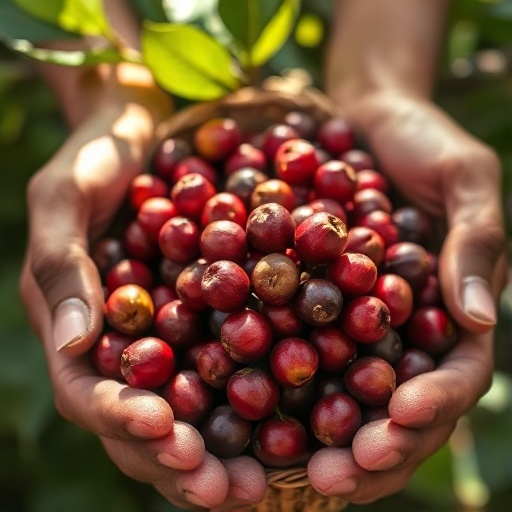
Nyamasheke, Rwanda — the last selective pass, late June.
Section one
The coffee year, January to December.
Ethiopia and Rwanda in summer, Colombia in the autumn, Brazil after that, and Indonesia in the strange middle of the year when nothing else is fresh.
The spine below is the year. We do not repeat an origin twice in twelve months, and we do not buy anything that has been sitting.
January
Guatemala · Huehuetenango
Washed Caturra from the first pass of the Central American picking. Cocoa, dried fig, a long dry finish.
February
Costa Rica · Tarrazú
White honey Catuaí, dried twelve days on the patio. Red apple and cane sugar.
March
Nicaragua · Dipilto
Washed Javanica, the last of the northern crop before the rains. Almond and lime blossom.
April
El Salvador · Santa Ana
Natural Pacamara, slow-dried in shade. Strawberry, rum-soaked raisin, thick body.
May
Indonesia · Aceh Gayo
Wet-hulled Ateng, picked while everything else in the world is resting. Cedar, tamarind, green herb.
June
Indonesia · Toraja
Wet-hulled Typica from the highlands. Baker’s chocolate, tobacco leaf, a savoury edge.
July
Ethiopia · Guji
Washed heirloom off the first Ethiopian containers of the year. Jasmine, bergamot, white peach.
August
in the box
Rwanda · Nyamasheke
Gitwe washed Red Bourbon. Blackcurrant, black tea, and a finish like a stewed plum.
September
Ethiopia · Yirgacheffe
Natural heirloom, forty days on raised beds. Blueberry, apricot, a syrupy finish.
October
Colombia · Huila
Washed Pink Bourbon from the main autumn crop. Mandarin, honeysuckle, brown sugar.
November
Colombia · Nariño
Washed Caturra grown at 2,050 metres. Lime leaf, caramel, bright and clean.
December
Brazil · Cerrado Mineiro
Pulped natural Yellow Catuaí, straight after the Brazilian harvest. Hazelnut, milk chocolate, low acidity.
Then it starts again in Guatemala, with a crop nobody has tasted yet.
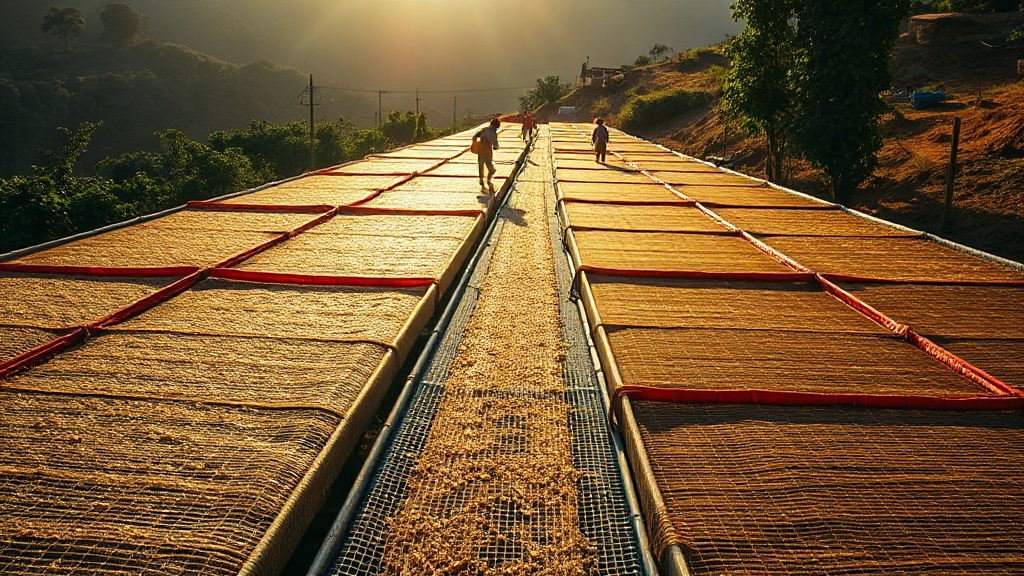
Raised beds at Gitwe. Eighteen days, turned by hand every hour of daylight.
Section two · in the box now
August: Gitwe washed Red Bourbon, Nyamasheke, Rwanda.
Blackcurrant
Black tea
Stewed plum
Blackcurrant, black tea, and a finish like a stewed plum. Ships 22 August, which is nineteen days after the last cherry came off the bed.
Producer
Gitwe washing station, 219 smallholders
Altitude
1,780 – 1,940 m
Process
Fully washed, 18 days on raised beds
Ships
22 August, roasted the day before
Section three
What we pay, and what everyone pays.
We paid 5.40 a kilo at the farmgate. The Fairtrade floor is 1.80. The New York C price that week was 1.62.
What we paid
5.40
/ kilo
Per kilo, at the farmgate, to the Gitwe washing station.
Fairtrade floor
1.80
/ kilo
The minimum price a certified buyer may pay.
New York C
1.62
/ kilo
The commodity benchmark the week we bought.
The number is printed on the bag next to the roast date. It is the price paid to the washing station for parchment, converted to green, before shipping and duty. Nobody makes you do this, which is exactly why we print it.
Three times the commodity price, on a lot that would clear at half of it.
Section four
One roast profile, and a five-day head start.
Roasted Tuesday, shipped Wednesday, on your table Thursday or Friday. Rest it four days before you touch it, then it is good for a month.
Filter roast only, dropped light enough to keep the acidity and long enough that nothing tastes green. We do not run a second, darker version for people with espresso machines.
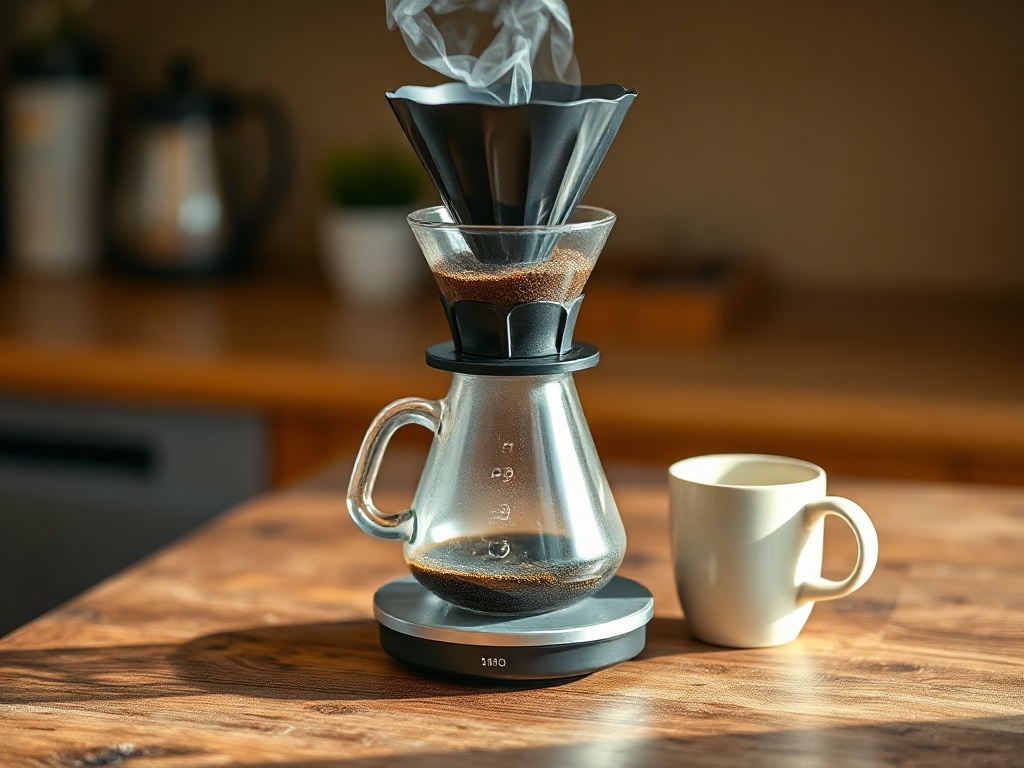
Day five. 18g in, 300g out, four pours.
Tuesday
Roasted
One profile, one drum, the whole month’s allocation in a morning.
Wednesday
Shipped
Bagged with a valve and out the door before the beans are cool.
Thursday
On your table
Friday at the latest. The date on the bag is the roast date, not a best-before.
+4 days
Rest it
Leave it alone. Degassing coffee brews thin and tastes of nothing much.
+1 month
Drink it
Past that it is still fine, just quieter. Nothing here sits in a warehouse.
Section five
Three ways in, one starting recipe.
Filter recipe to start: 18g in, 300g out, 94 degrees, four pours, three and a half minutes total. Adjust the grind, not the ratio.
Every bag ships with the month’s numbers on the back, because a Rwandan washed lot and a wet-hulled Sumatra do not want the same grind.
V60
18g in, 300g out
Medium-fine, a little finer than table salt
3:30 total, four pours
Bloom 50g for 40 seconds, then pour to 300 in even stages.
Kalita Wave
20g in, 320g out
Medium, the flat bed is forgiving
3:15 total, five pours
Keep the bed flat and the water level low. It wants patience, not technique.
Chemex
30g in, 500g out
Medium-coarse, the thick filter is slow
4:30 total, three pours
Rinse the filter properly. Anything less and you will taste the paper.
Section six
Two sizes, and a pause button that actually pauses.
most people start here
250g
21
a month
One bag a month. About fifteen brews for a single filter drinker, which is most people who own a grinder.
for two, or for one who drinks a lot
500g
36
a month
Same coffee, twice the bag, one delivery. Cheaper per cup and it still arrives four days off the roaster.
Pausing
250g a month for 21. 500g for 36. Pause any time from the email, no login, no retention offer, no dark pattern.
There is a pause link at the bottom of every dispatch note. One click holds the next shipment, two holds it until you say otherwise.
Section seven
Where the last twenty-four coffees came from.
Two years of boxes, eight countries, twenty-four lots. No origin has appeared twice in the same twelve months, and every farmgate price is still on the archive page.
5 bags
Ethiopia
Guji, Yirgacheffe, and one lot from Uraga.
4 bags
Colombia
Huila and Nariño, two autumns running.
3 bags
Rwanda
Nyamasheke and Rulindo, all washed.
3 bags
Brazil
Cerrado Mineiro, pulped natural, every December.
3 bags
Indonesia
Aceh Gayo and Toraja, wet-hulled.
2 bags
Guatemala
Huehuetenango, both washed Caturra.
2 bags
Costa Rica
Tarrazú honeys from the same mill.
2 bags
El Salvador
Santa Ana naturals, one Pacamara, one Bourbon.
Section eight
Start with next month’s harvest.
Order before the 18th and the September lot is yours: Ethiopian natural heirloom, forty days on raised beds, roasted the day after we ship.
21 a month for 250g · pause from any email · farmgate price on every bag
Twelve Harvests
Roasted in small batches · shipped Wednesdays · farmgate prices published monthly